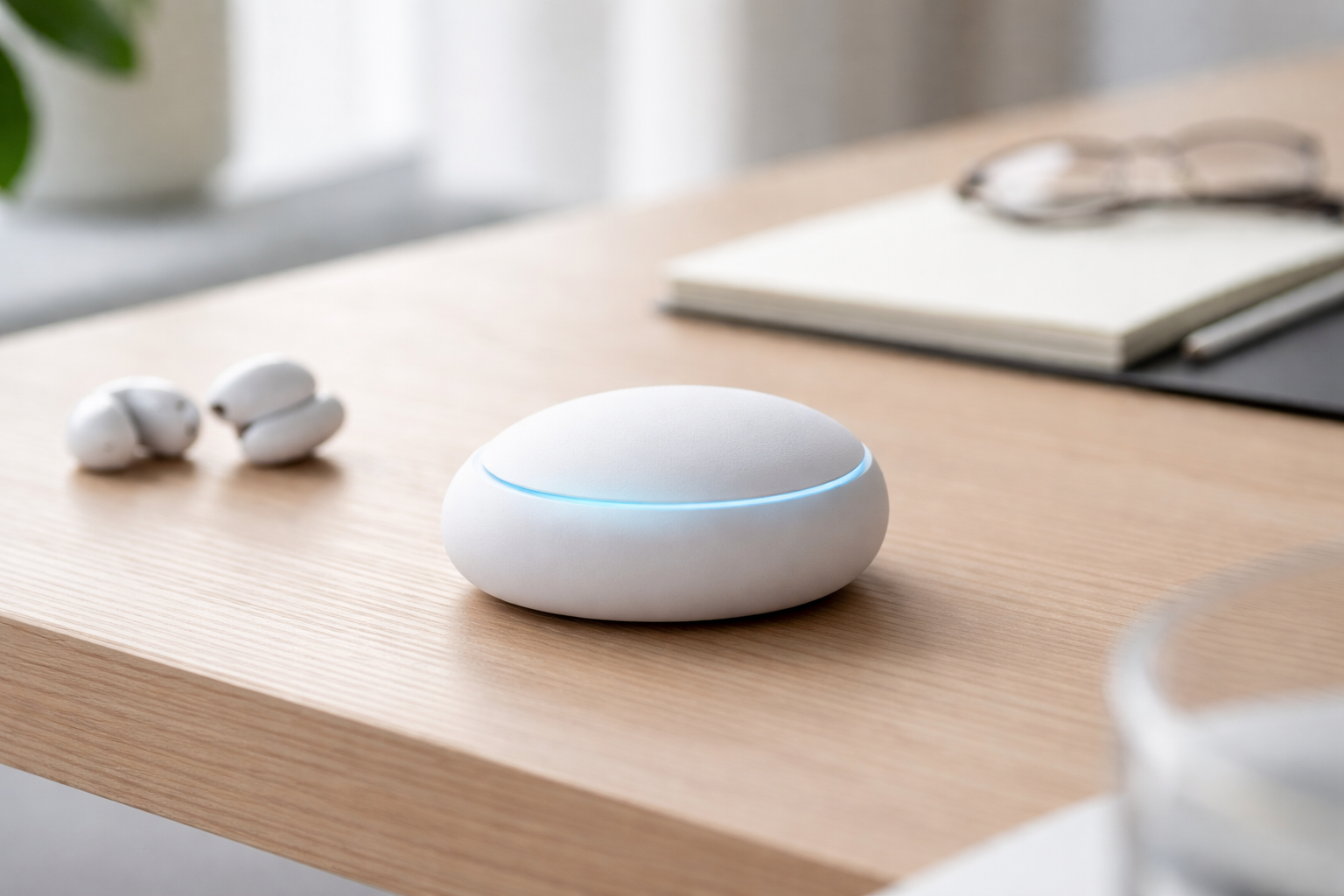

OpenAI is reportedly preparing its first physical device, with a targeted launch window in late 2026. If accurate, this would mark a pivotal shift for the company and potentially for the entire artificial intelligence industry. After years of shaping how humans interact with AI through screens, keyboards, and apps, OpenAI appears ready to move AI into everyday physical space.
This is not just a hardware announcement. It is a statement of intent.
From Tool to Presence
The rumored device is described as small, conversational, and ambient. In simple terms, something you talk with rather than talk at. That distinction matters. Screens demand attention. Physical AI devices promise presence. They sit in your environment, listen when needed, respond naturally, and then fade back into the background.
If OpenAI executes this well, AI interaction could become less transactional and more relational. Not emotional. Not human. But intuitive enough that friction disappears.
Think fewer prompts and more intent.
Why This Move Matters Now
The timing is not accidental. The AI industry is reaching a saturation point with software alone. Every company has a chatbot. Every platform has an assistant. The competitive edge is no longer access to intelligence but how seamlessly that intelligence integrates into real life.
By building hardware, OpenAI gains control over the entire experience. Voice. Context. Latency. Privacy boundaries. This is the same strategic logic that made smartphones dominant. Whoever owns the interface owns the future.
Risks Beneath the Hype
Hardware is unforgiving. Software bugs can be patched. Physical devices live with their mistakes. Cost overruns, supply chain issues, adoption resistance, and privacy concerns will all loom large.
There is also a philosophical risk. A physical AI device raises sharper questions about surveillance, dependency, and trust. Users may tolerate data collection on a screen. They may be far less comfortable with it sitting quietly on a desk.
Public perception will matter as much as engineering.
The Bigger Picture
This move signals a broader industry transition toward what many now call physical AI. Intelligence that does not just generate text or images but operates in the real world. Homes. Offices. Vehicles. Eventually cities.
If OpenAI succeeds, others will follow. If it fails, it will still redefine what the next decade of AI experimentation looks like.
Either way, the era of AI as purely digital is ending.
Final Take
This is a bold, high stakes bet by OpenAI. It suggests confidence not only in its models but in its vision of how humans should live with AI. Not glued to screens. Not overwhelmed by interfaces. Just assisted, quietly and constantly.
The real question is not whether people will buy such a device.
It is whether, once they have it, they will want to live without it.


Leave a Reply